Shiba Inu Grooming: Shedding and Calm Nail Handling
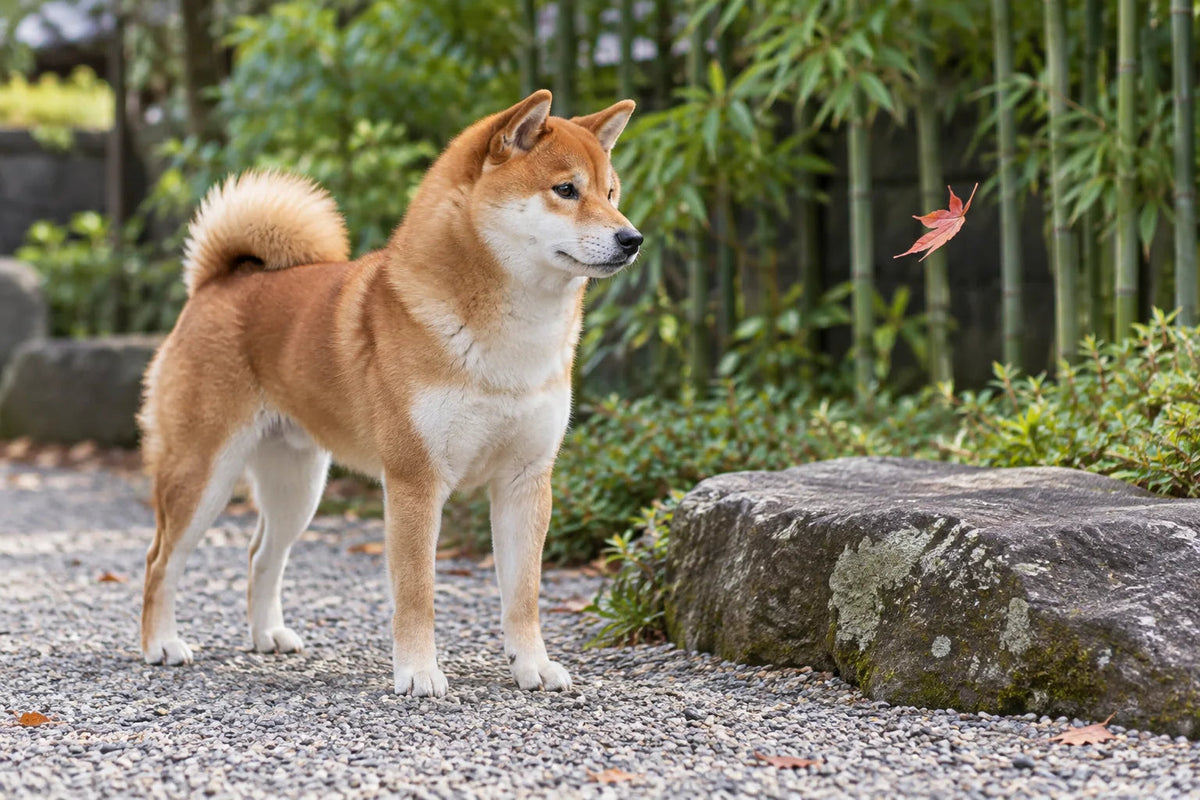
A Shiba can look immaculate while releasing an astonishing amount of loose hair. That does not mean the coat needs cutting. The useful work is removing released undercoat gently and making handling predictable enough that brushing and nail care do not become a struggle.
Keep the natural jacket and curled tail. Manage shedding with gentle coat care. Build nail-handling confidence in small steps instead of waiting until every nail needs a substantial trim.
What belongs in the coat
The National Shiba Club's coat description identifies stiff outer hair over soft, thick undercoat, with a naturally full brush of tail hair. The normal outline is not something to sculpt away.
The AKC Shiba profile highlights substantial shedding and the value of brushing during heavier periods. The quantity of loose hair can change, so adapt your routine to what is releasing now.
Run your fingers gently through the coat at the shoulders and thighs. Loose fluff should separate without force. A packed patch, a painful area or hair that will not part comfortably needs assessment rather than repeated pulling.
Teach the routine before adding a big job
Choose a stable non-slip floor mat and begin with a few seconds of touch where the dog is comfortable. Reward calm behaviour, pause and let the dog settle. Then introduce a brush for a small number of gentle strokes.
Do the same with feet: touch a leg, briefly support a foot and release it before asking for a nail trim. The aim is a predictable sequence the dog understands, not an increasingly firm hold when they object.
If handling repeatedly becomes a major struggle, ask an experienced groomer or qualified trainer to help. Do not assume noisy resistance means the dog should simply be held more tightly. Pain, fear and unfamiliar handling can all change the experience.
Brush to release, not to scrape
- Inspect for grit and areas that seem sensitive.
- Use a suitable brush with light strokes following hair growth.
- Work through one small section at a time.
- Clear collected hair so you can judge how freely the tool moves.
- Give thicker thigh and neck areas careful attention.
- Stop before repeated brushing irritates the skin.
More frequent short sessions during a shed are easier to manage than trying to finish every loose hair at once. Do not use the size of the hair pile as your success measure.
Have a groomer demonstrate any undercoat tool before using it. Attached hair should remain. A stiff or sharp tool pressed hard into the body is not a better version of brushing.
Keep the tail's natural shape. If you need to inspect underneath it, work gently and do not force the curl straight or pull it out of the dog's comfortable position.
Choose a calm wash when the dog actually needs one
Local cleaning may be enough for dirty feet. A full bath is more appropriate when dirt or residue is spread through the coat. Prepare the surface, dog shampoo and towels before bringing the dog over.
Use comfortable water and a non-slip bath setup. Rinse carefully beneath the body and through dense areas, keeping spray away from the face and ear openings. Follow the shampoo's instructions rather than adding extra product to create more foam.
Press dry with towels. If using a purpose-made dog dryer, introduce the sound gradually, keep airflow comfortable and moving, and supervise throughout. Do not improvise with workshop equipment or force a frightened dog through a powerful drying session.
Part the coat to check the roots before finishing. A dry-looking surface can conceal moisture underneath. Dry collars, harnesses and bedding separately too.
Blue Cross's bathing guidance explains why the individual coat and activities matter more than a universal schedule.
Make one comfortable nail a useful result
Check every nail regularly, including any dewclaws. Ask a groomer to show you the safe trimming margin; guessing on dark nails is not a good way to learn.
The VUNRO nail grinder offers gradual smoothing if the dog accepts vibration and sound. Introduce it at a distance first, then work towards brief contact. Pause between touches to avoid heat and stay clear of the sensitive quick.
Do not insist on all four feet in one session. Keeping the experience calm makes future maintenance easier. If you cannot handle the feet safely, a professional should complete the immediate work while you practise the smaller preparation steps.
When the routine needs reassessment
A coat that becomes sore, unusually patchy or difficult to separate needs appropriate assessment. Do not treat every change as ordinary shedding or attempt to solve it by shaving.
The successful everyday result is a clean, dry natural coat, released hair managed gently and feet that can be checked without a battle. That is more valuable than a dramatic grooming transformation.
Keep learning
More from the Blade Blog
Whippet Grooming: Gentle Coat Care and Comfortable Nails
Read the guide →
Chihuahua Grooming: Smooth Coats, Long Coats and Tiny Paws
Read the guide →